泰国行脚僧:简约生活 构筑内心力量之旅
简述: 泰国,这个宗教氛围浓厚的国家,培育着一群独特而虔诚的行脚僧。他们以简陋的行囊和衣钵,漫步于泰国的田园乡村和翠绿山脉,追求心灵的宁静,通过流浪的生活方式实现精神目标。
季节之行: 泰国一年分为大约三个季节,雨季对行脚僧尤为重要。在这段被称为夏安居的时期,行脚僧选择在夏季安顿下来,象征着对精神实践的稳定。这通常发生在由居士供养的道场,为行脚僧提供一个相对固定的住处。
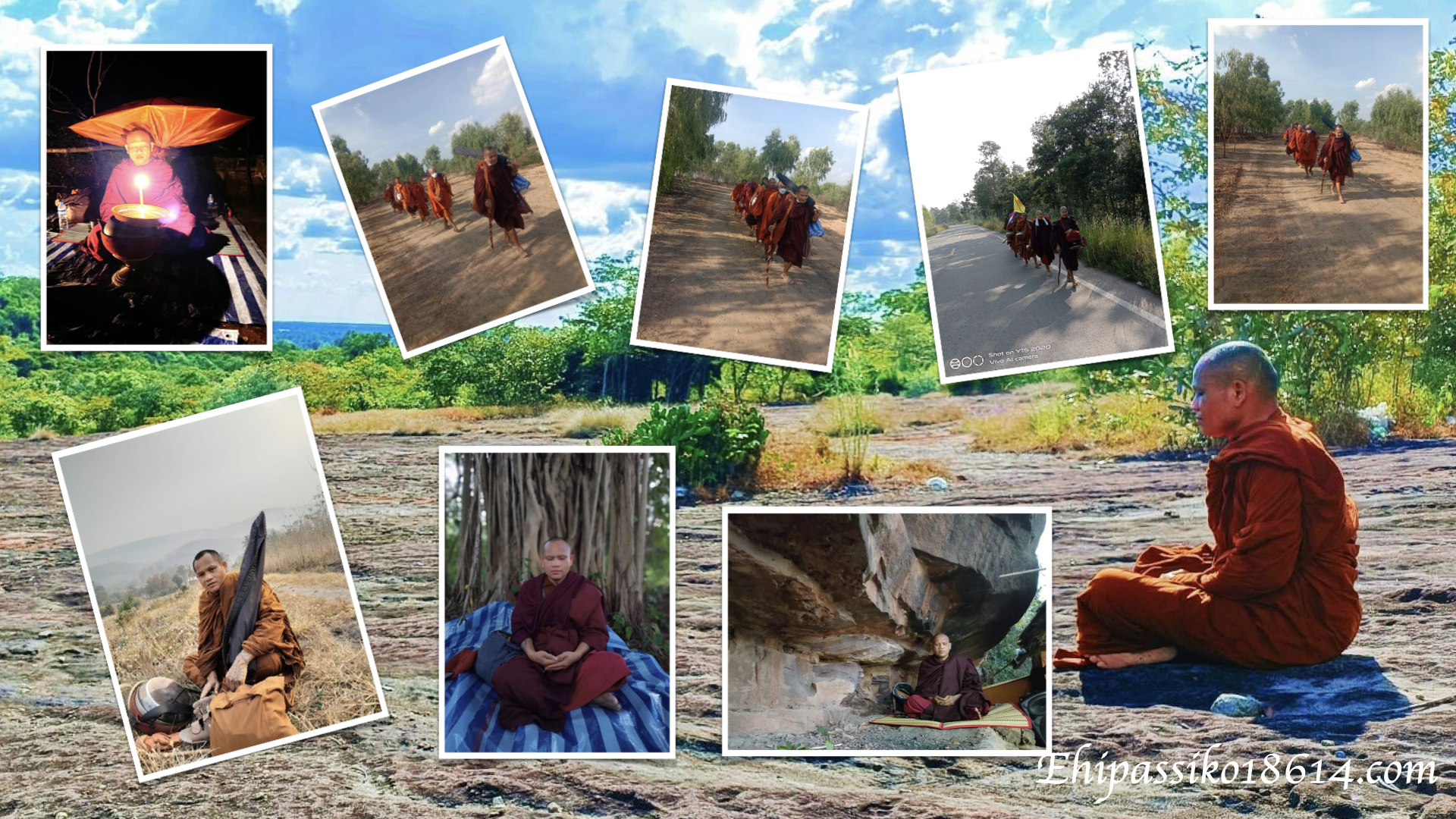
云游之道: 行脚僧以云游为生活方式,将物质生活降至最低,只携带必需品。他们没有固定住处,经常在不同的环境中度过短暂的时间,锻炼内心韧性和适应能力。
修行的意义: 泰国行脚僧通过简约生活,追求内心宁静。他们不仅传播佛法,更在自己的行脚生活中找到对生命的深刻理解。这种修行方式提醒我们,真正的幸福和成就来自内心的平静,而不是物质繁华。
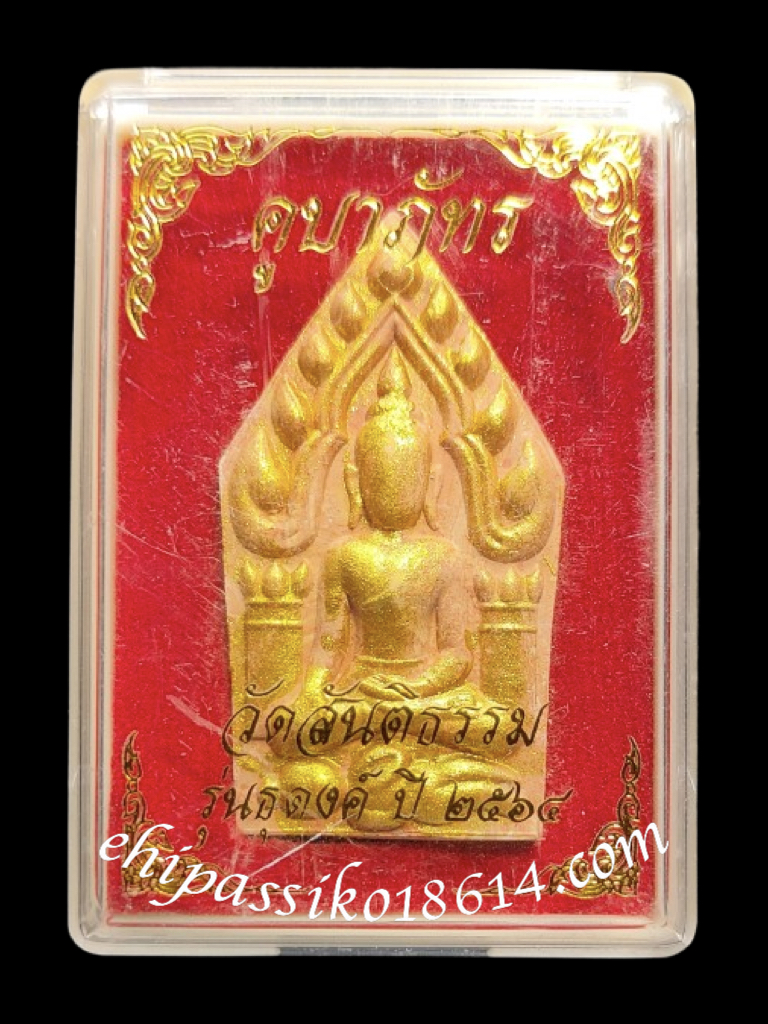
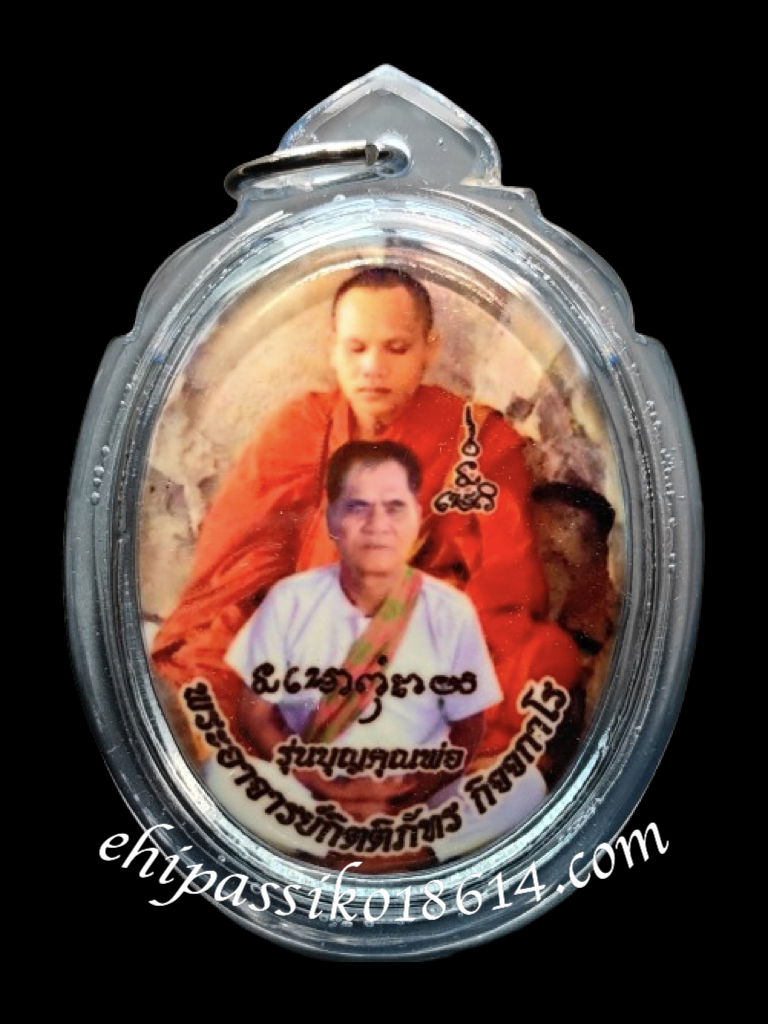
现代的坚持: 在当代佛教僧团中,仍有一些人坚持传统的行脚方式。龙婆吉帝帕就是其中之一。尽管时代在变,这些僧侣展现了对行脚传统的忠诚,为泰国僧侣传统注入更深层次的精神内涵。
The Significance of Tudong in Thailand: Cultivating Inner Strength through Minimalism
Summary: In Thailand, walking monks embrace the practice of Tudong, a nomadic lifestyle aimed at reducing materialism for spiritual growth. During the Rains Retreat, a special period in the rainy season, these monks settle temporarily to provide spiritual guidance and contribute to their personal and societal development.
Nomadic Lifestyle: Walking monks, known as Tudong, carry minimal belongings, relying on alms for sustenance. They avoid a fixed residence, cultivating inner strength through adaptability to temporary living conditions. This lifestyle emphasizes detachment from material wealth and a focus on spiritual concentration.
Meaningful Practice: Thai walking monks embark on a spiritual journey to seek inner tranquility by integrating Buddhist teachings into everyday life. Their unique lifestyle serves as a reminder that true happiness comes from inner peace, challenging the temporary satisfaction of material prosperity.
Contemporary Commitment: Despite modern changes, some monks, like LP Kittiphat, adhere to the traditional Tudong practice. Their commitment adds depth to Thailand’s monk tradition, enriching the spiritual landscape with timeless principles of inner peace and strength.